
• Development

    of innovative


    technologies in medicine.

    The purpose of which is to prevent infection of patients of medical institutions of various profiles with viruses, the effective cure for which has not yet been created.

    Read more
  • Conducting

    research

    to identify the mechanisms of virus transmission.

    Read more
  • Development

    of new

    methods

    of sterilization and storage of sterile instruments for medical, hairdressing and household purposes.

    Read more

About Company


Ovik Mkrtchyan – Founder of New Medical Technologies

Ovik Mkrtchyan is an entrepreneur involved in innovative projects in healthcare and high technology, and the founder of New Medical Technologies (NMT). Ovik Mkrtchyan has authored several of the company’s technological developments and holds multiple patents. Founded by Ovik Mkrtchyan in 2008, the company develops and implements innovative medical solutions to improve the safety and efficiency of clinical processes. New Medical Technologies specialises in creating medical equipment and technologies for sterilising clinical instruments and inactivating viruses, bacteria, and other pathogens. The company’s solutions are aimed at reducing the risk of hospital-acquired infections and adhere to modern international standards for medical safety. Over its years of operation, NMT has conducted more than 120 studies, including research into virus detection and inactivation. These efforts have led to technological solutions that help prevent the transmission of hepatitis B and C, as well as HIV, through medical instruments in healthcare settings. The company also develops and markets specialised equipment based on innovative principles. For instance, NMT’s virus deactivation device is used in various fields, from medicine and science to everyday household applications. Its design accommodates both medical instruments and everyday items such as tableware, shaving accessories, or children’s toys, ensuring high sanitary standards and reducing the spread of bacteria and viruses in any environment – whether at home, in a beauty salon, in a hospital, at a school, in a dining area, or elsewhere. Another key area for NMT is the development and production of the injectable medicinal product Geptrong, used to treat acute and chronic viral hepatitis, intoxications, and related conditions. Both the product and its active ingredient are patented in several countries, with ongoing research into new dosage forms. NMT places particular emphasis on collaboration with medical institutions and healthcare professionals. The company is committed to long-term growth and the international expansion of its solutions, especially in regions with a heightened need for advanced medical technologies.

“Healthcare is, first and foremost, a matter of responsibility to the future. When technologies are developed consciously and grounded in science, they are capable of improving quality of life and reducing risks in areas where the cost of error is particularly high.” – Ovik Mkrtchyan.

About developments


Method

The range of applications of the method for detecting and evaluating the viability of lymphotropic HBV, HCV and HIV viruses.

Blood transfusion stations:

to increase the reliability of detection of lymphotropic hepatitis B (HBV), hepatitis C (HCV) and human immunodeficiency virus (HIV) in biological media (donor blood, plasma and other components) containing viruses in concentrations below the threshold of sensitivity of ELISA or PCR methods.

Diagnostic laboratories:

to increase the reliability and exclude false negative results when testing for HBV, HCV or HIV infection in the blood of donors or patients with virus content in concentrations below the sensitivity threshold of ELISA or PCR methods.

Pharmaceutical companies:

to assess the viability of HBV, HCV or HIV viruses after exposure to chemical and physical antiviral factors developed and offered by manufacturers in order to inactivate viruses at various facilities.

The method creates the opportunity:

objectively evaluate the effect of chemical or physical factors on the viability (pathogenicity) of lymphotropic viruses.

Allows to eliminate errors

in the diagnosis of patients, when testing donated blood and its components for infection with lymphotropic viruses HBV, HCV or HIV.

Detection

and evaluation of the viability of lymphotropic viruses has no analogues.

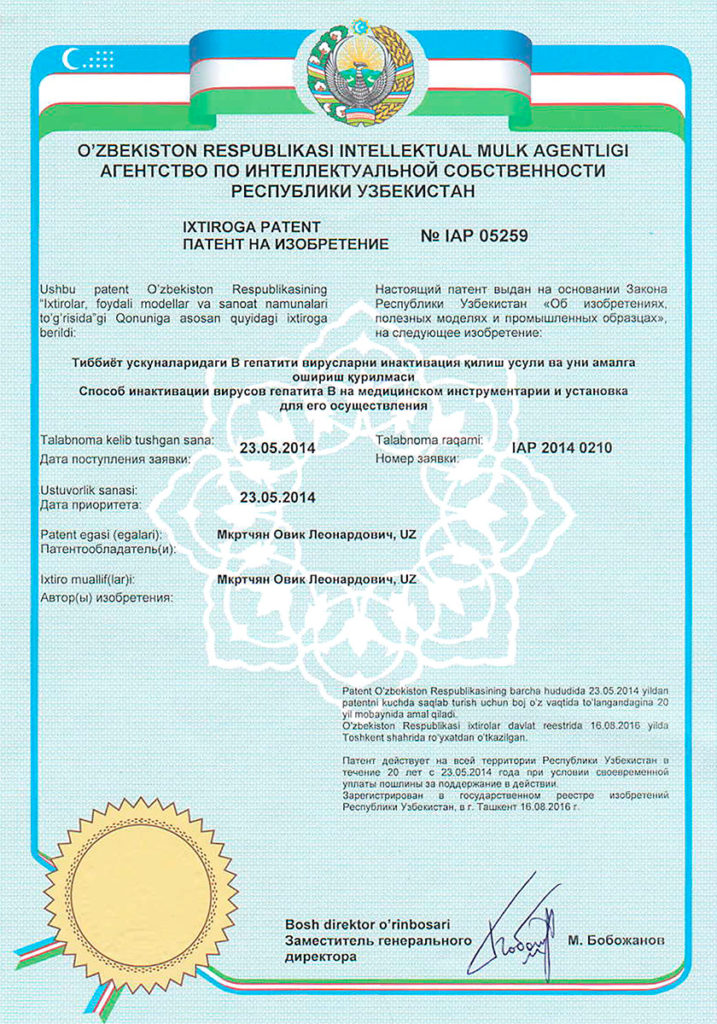
Registration and certification documents for installation

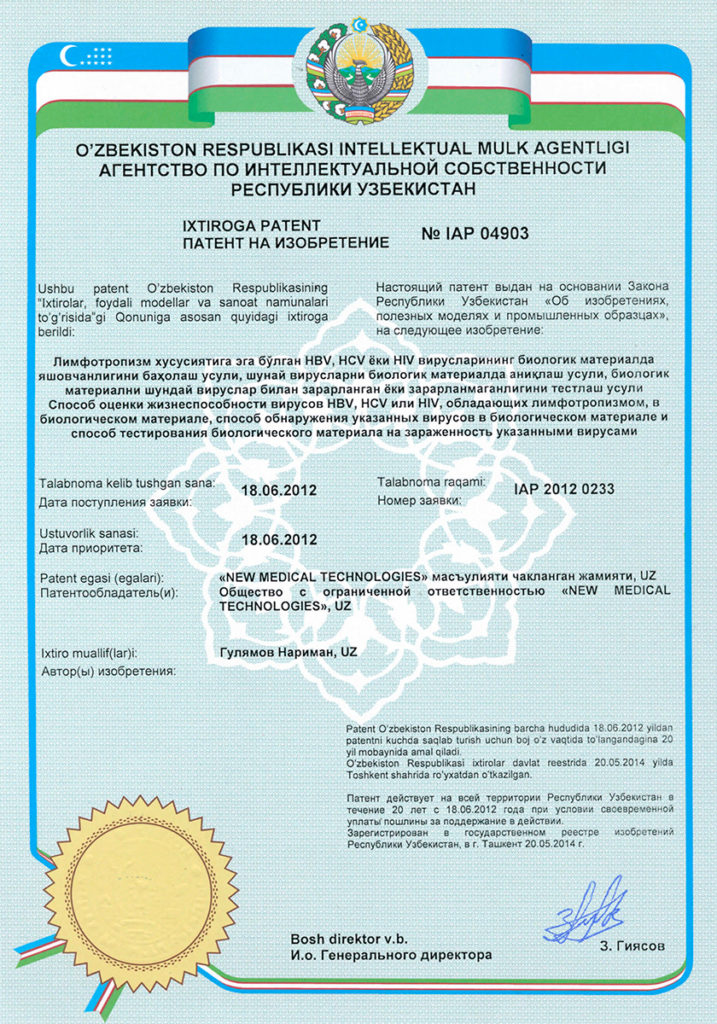
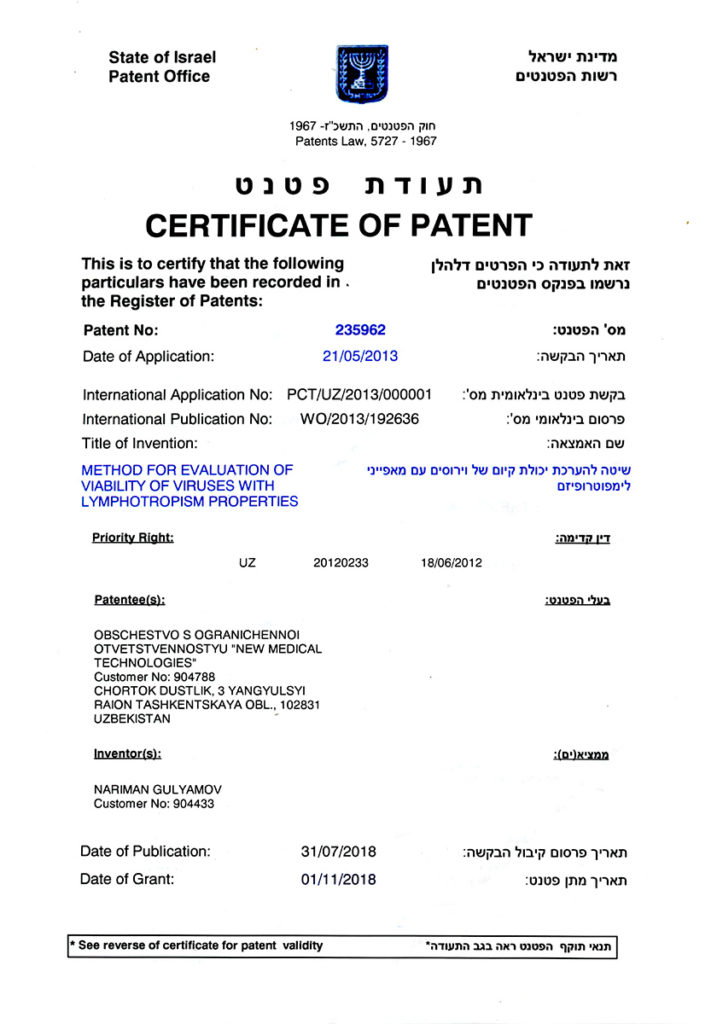
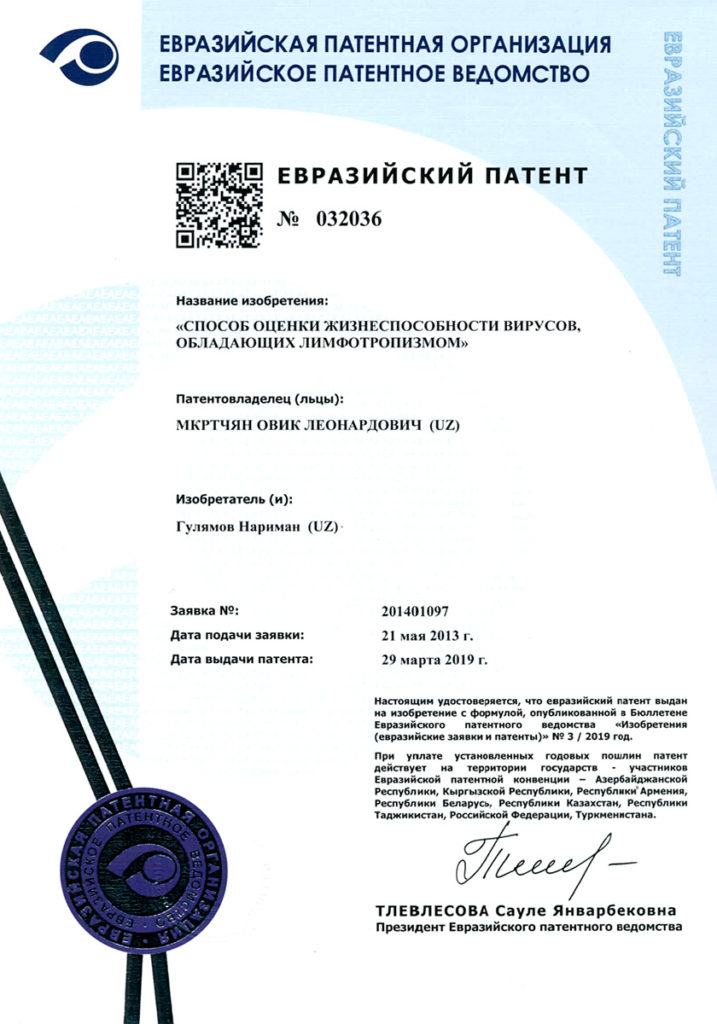
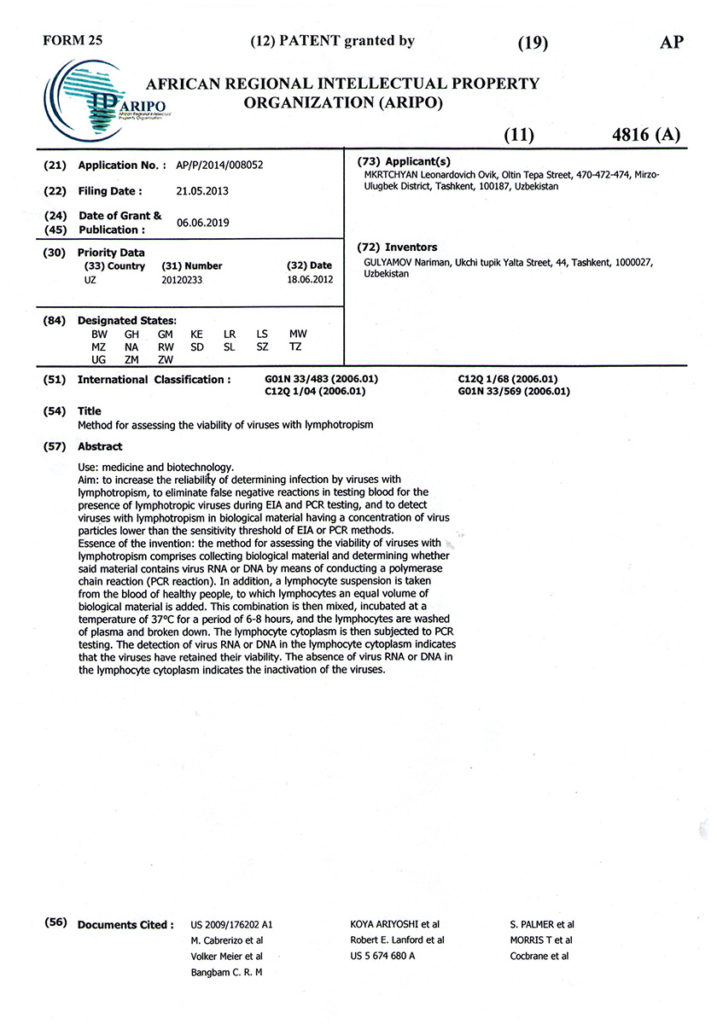
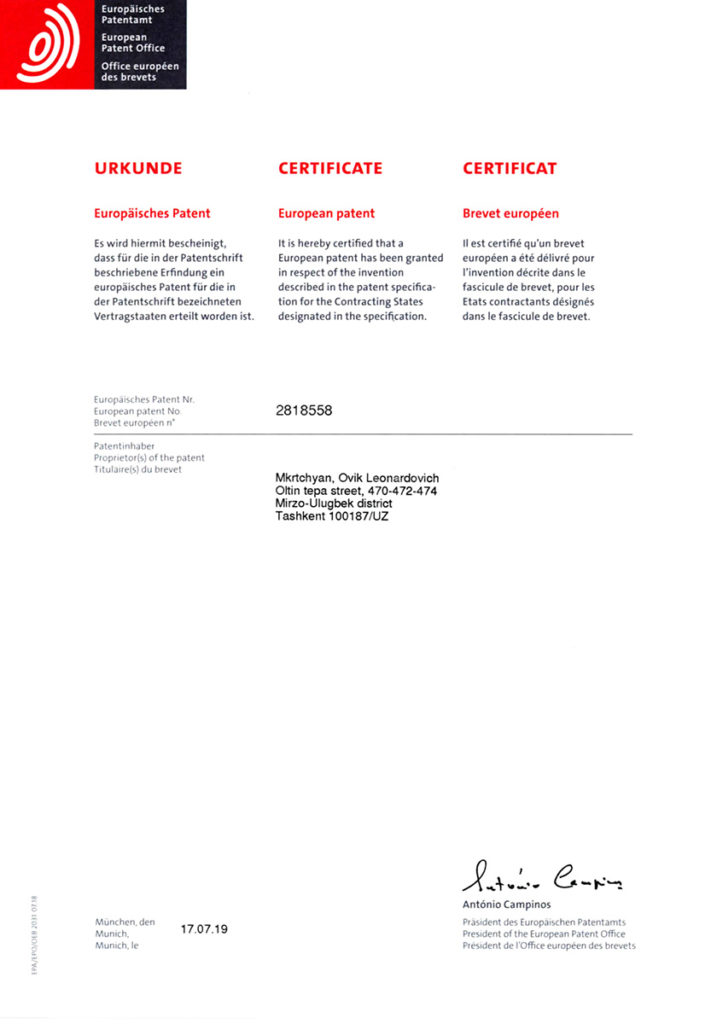
According to this method of detecting and assessing the viability of viruses with lymphotropism, the State Patent Office of the Republic of Uzbekistan has issued a patent registered in the State Register of utility models of the Republic of Uzbekistan in Tashkent for No. IAP 04903 dated 06/18/2012.

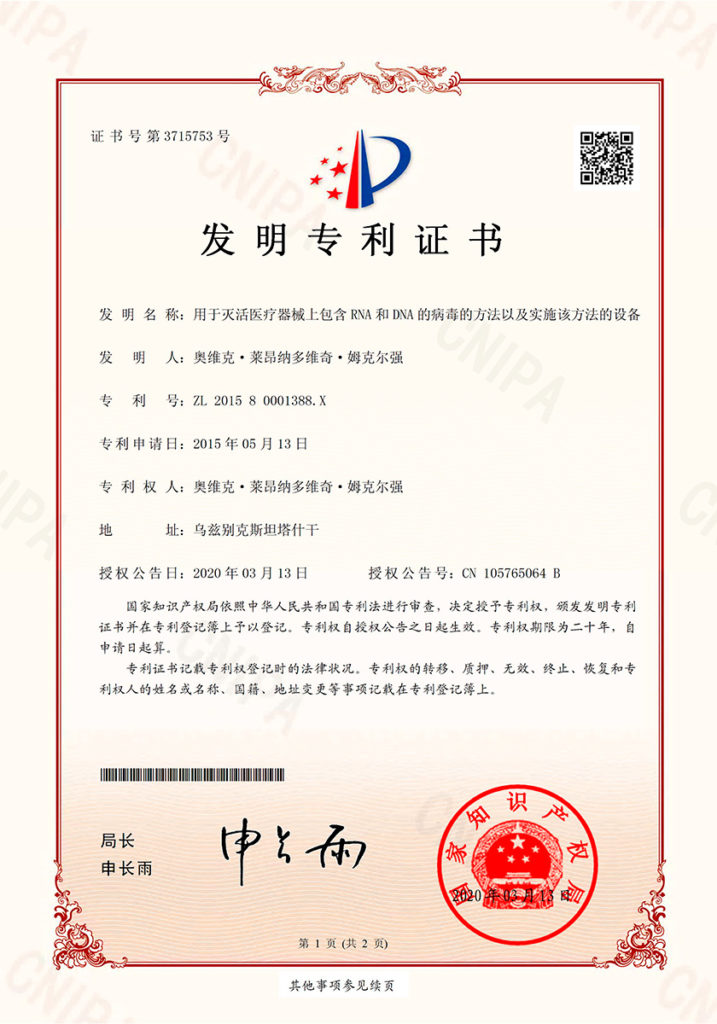
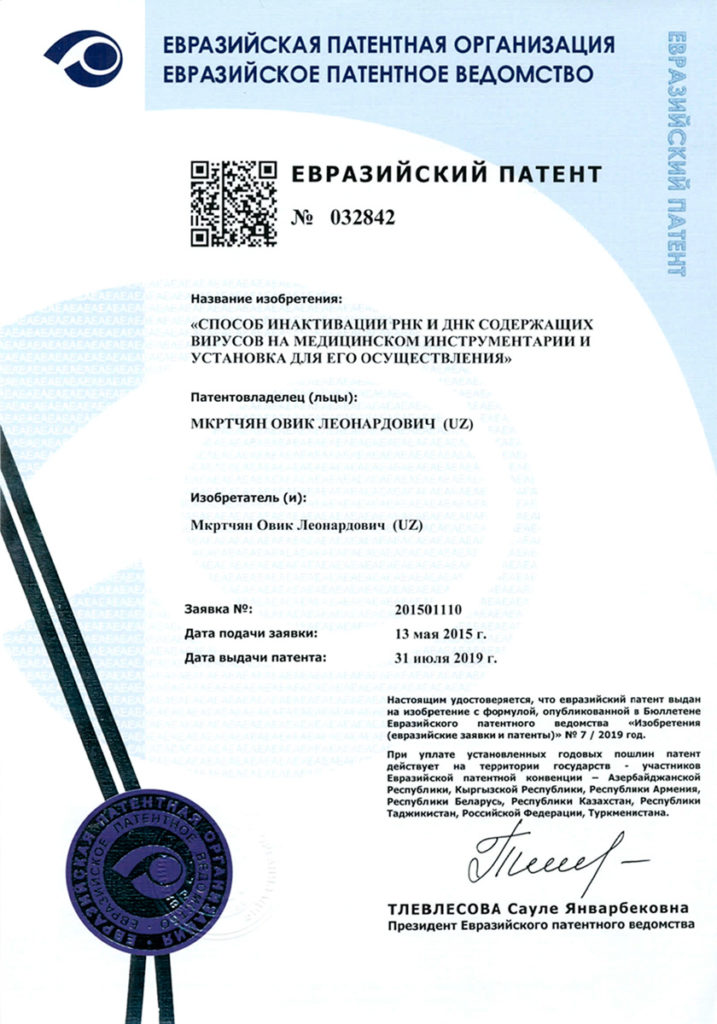
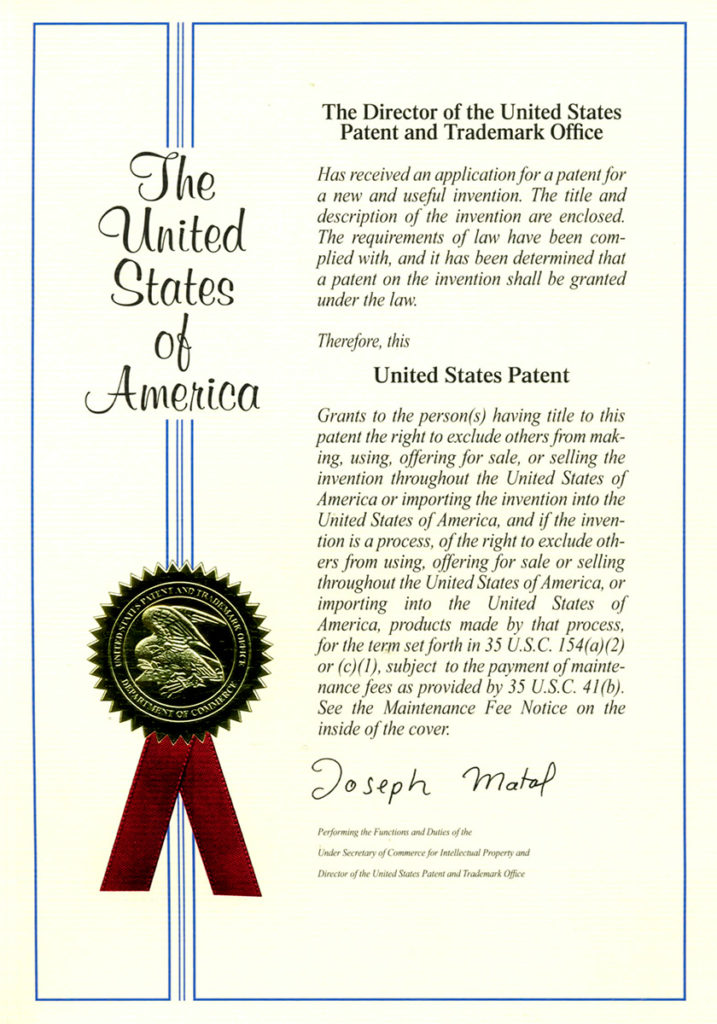
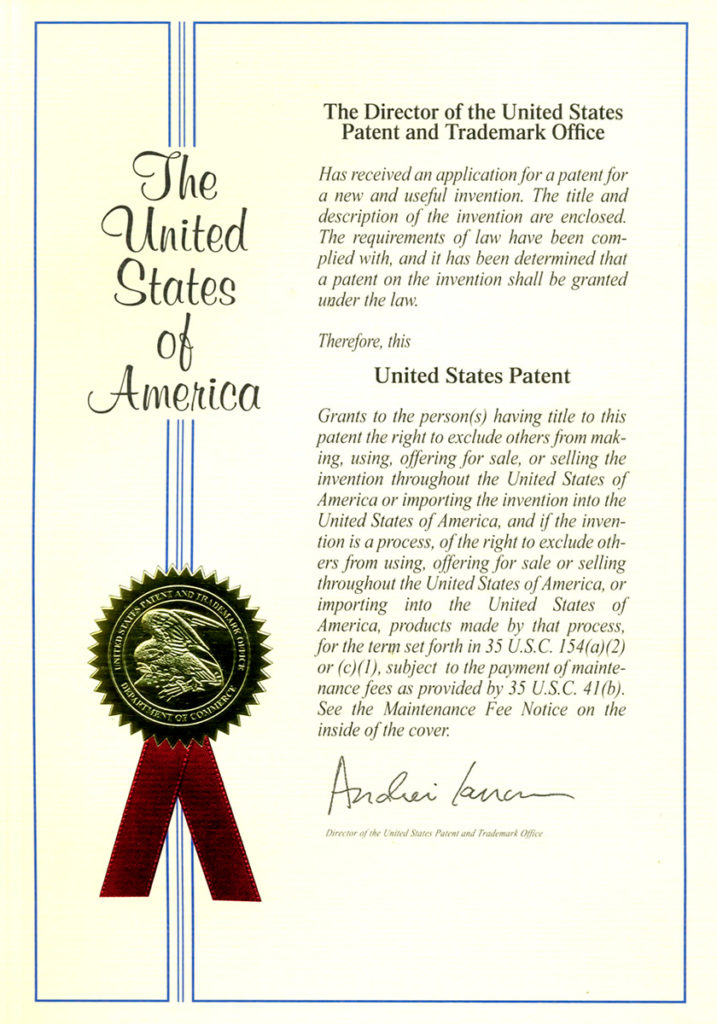
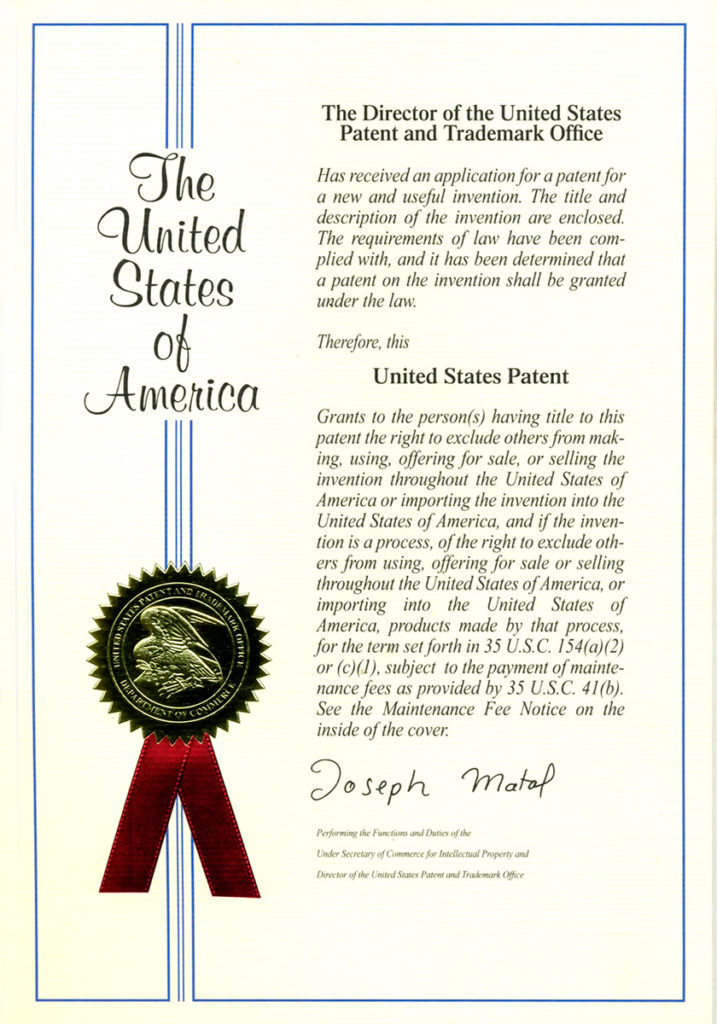
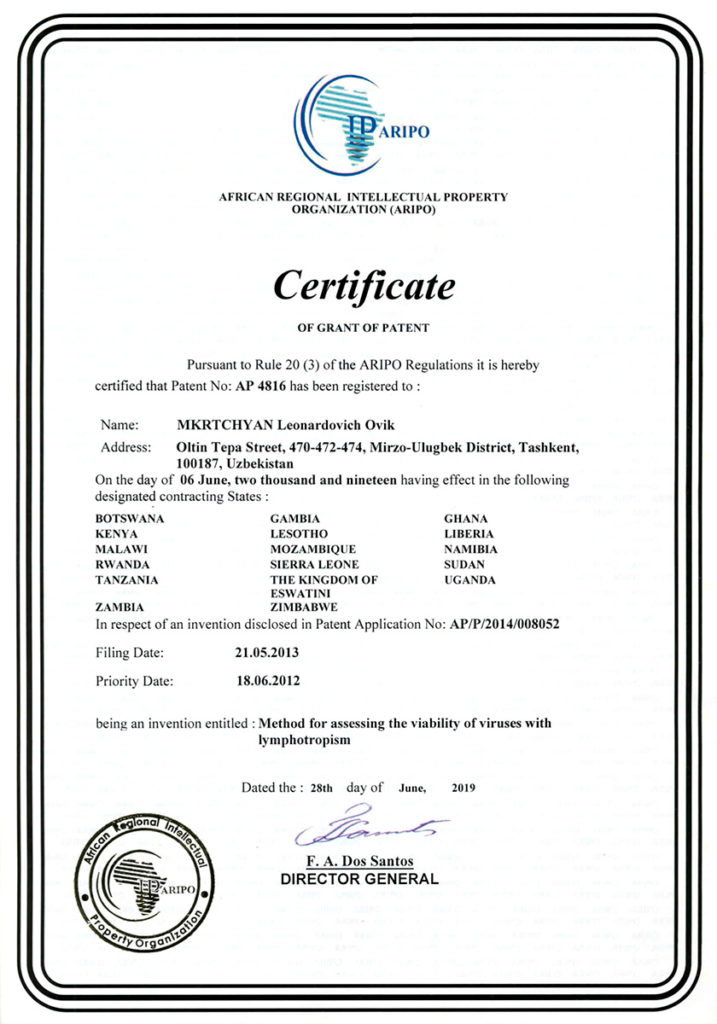
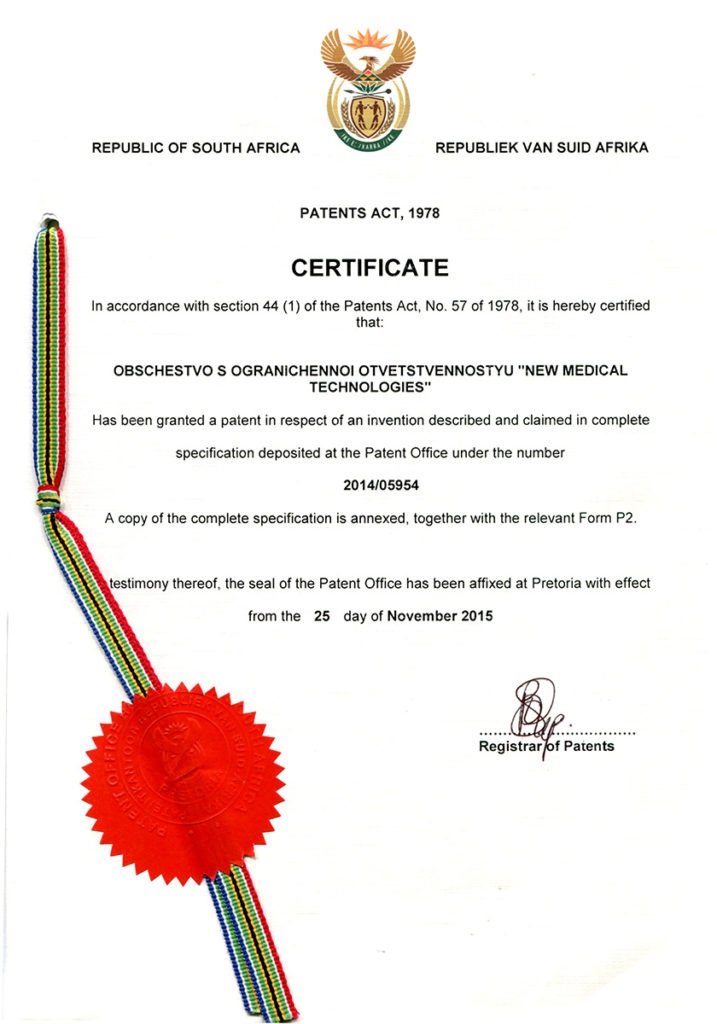
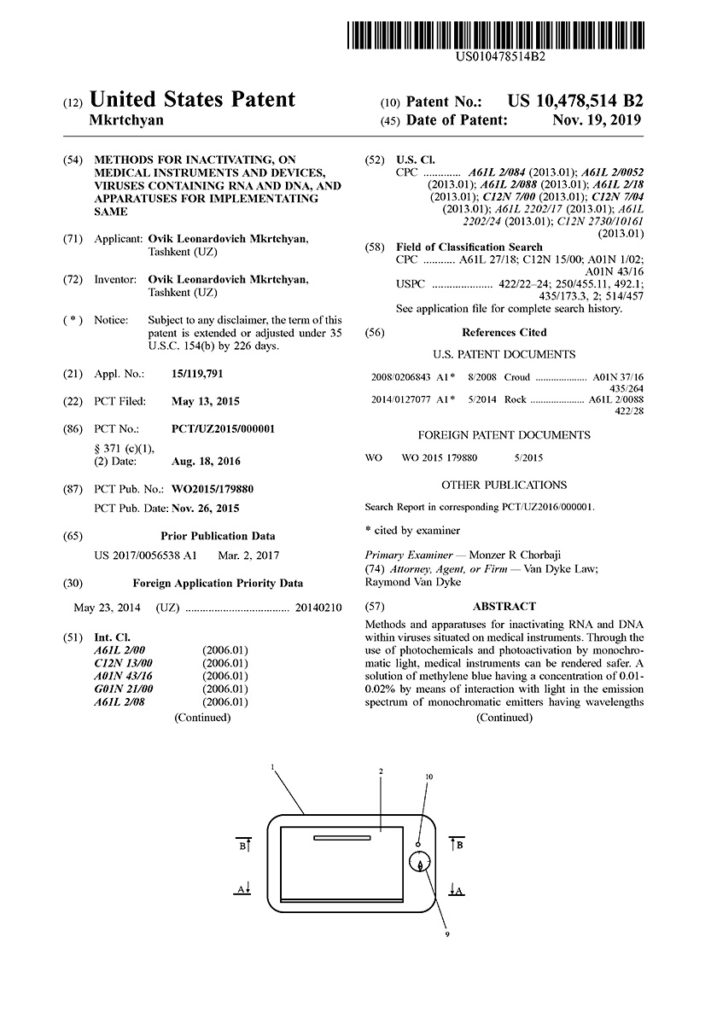
Patents have been obtained for the invention (according to the method of assessing the viability of lymphotropic viruses) in the European, Eurasian Patent Offices, as well as patent offices of the following countries - Africa, USA, Israel, UAE, India.

Patents and certificates Documents

Mass media about us